
Choosing the Perfect Outdoor Kitchen Design: Expert Tips
Understanding Your Needs
Embarking on the journey to create the perfect outdoor kitchen starts with understanding your needs. Consider how you plan to use the space. Will it be for casual family dinners, or do you envision hosting large gatherings? Knowing your primary use will guide your design choices, from appliances to seating arrangements.
Think about your culinary preferences as well. If you're a grilling enthusiast, a high-quality grill is essential. Alternatively, pizza lovers might prioritize a wood-fired oven. Tailor the kitchen to suit your lifestyle, ensuring it becomes an extension of your home.
Choosing the Right Location
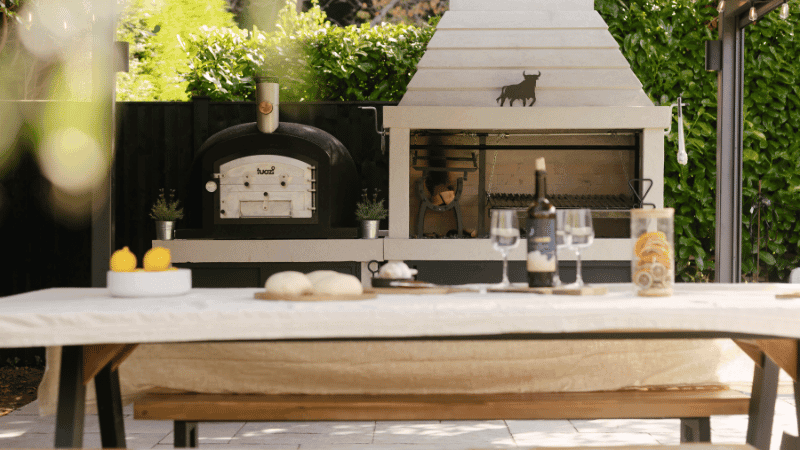
The location of your outdoor kitchen is crucial. Ideally, it should be easily accessible from your indoor kitchen for convenience. Consider the layout of your backyard and the proximity to utilities like water and electricity. A well-placed outdoor kitchen enhances the flow between indoor and outdoor living spaces.
Also, think about the views and sunlight. You might want a location that offers a scenic backdrop or one that maximizes shade during hot summer months. If privacy is a concern, consider adding screens or planting hedges to create a secluded oasis.
Selecting Materials and Appliances
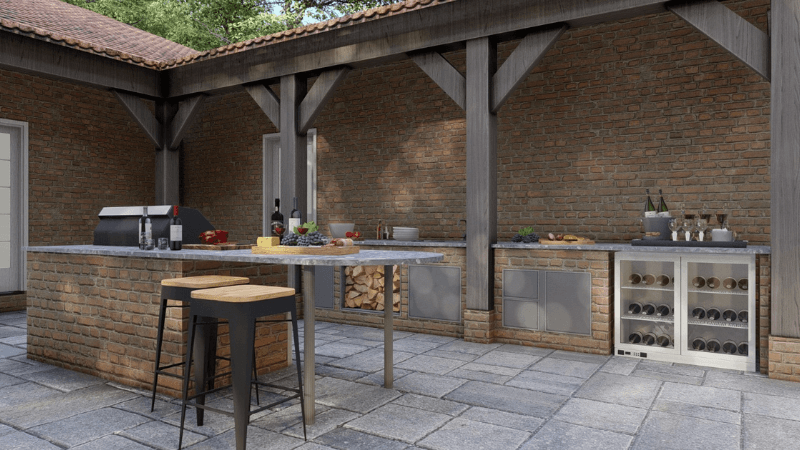
Durability is key when selecting materials and appliances for your outdoor kitchen. Choose weather-resistant materials like stainless steel, stone, or concrete that can withstand the elements and require minimal maintenance. These materials not only enhance the aesthetic appeal but also ensure longevity.
When it comes to appliances, functionality should be a priority. Look for grills, refrigerators, and sinks designed specifically for outdoor use. They should be robust, easy to clean, and energy efficient. Investing in quality appliances will pay off in the long run.

Designing for Comfort and Style
Your outdoor kitchen should be as comfortable as it is functional. Incorporate seating options that cater to your entertaining style. Options like bar stools, lounge chairs, or a built-in bench can provide varied seating arrangements for your guests.
Style is equally important. Choose a design theme that complements your home’s architecture and your personal taste. Whether you prefer a rustic, modern, or classic look, ensure that your outdoor kitchen reflects your aesthetic while maintaining practicality.
Incorporating Lighting and Accessories
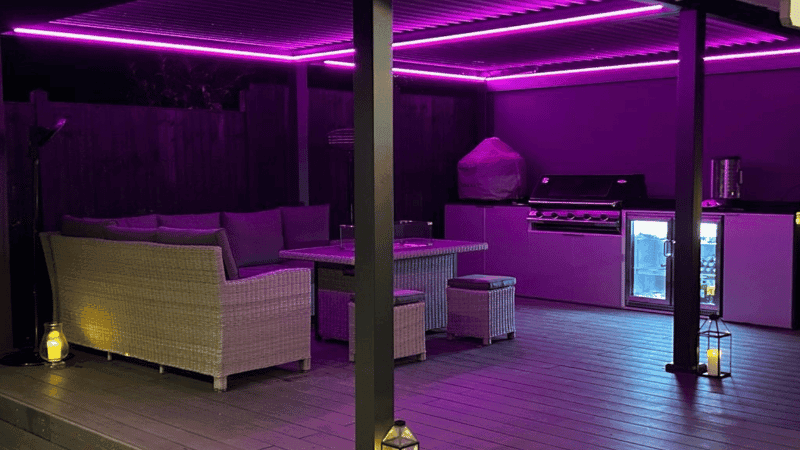
Lighting plays a significant role in setting the mood and ensuring safety. Incorporate a mix of task lighting for cooking areas and ambient lighting for dining and relaxation spaces. Solar-powered lights or LED strips can be energy-efficient options.
Don't forget about accessories that add personality and functionality. Consider installing a sound system, a fire pit, or even a pergola for added comfort and style. These elements can transform your outdoor kitchen into a welcoming retreat.

Planning for Weather and Seasons
Consider the climate of your area when designing your outdoor kitchen. In regions with harsh weather conditions, incorporating retractable awnings or pergolas can provide protection against sun and rain. Weather-resistant covers for appliances and furniture are also a wise investment.
If you live in a cooler climate, consider adding outdoor heaters or a fireplace to extend the usability of your kitchen throughout the year. Planning for seasonal changes ensures your outdoor kitchen remains a favorite spot year-round.
Budgeting and Professional Assistance
Creating an outdoor kitchen can be a significant investment. Establish a realistic budget that covers all aspects, from design and materials to labor and permits. Prioritize elements that are most important to you and be flexible with less critical features.
Engaging with a professional designer or contractor can be invaluable. They bring expertise and can help avoid costly mistakes. A professional can also offer innovative solutions tailored to your space and budget, ensuring your outdoor kitchen is both beautiful and functional.